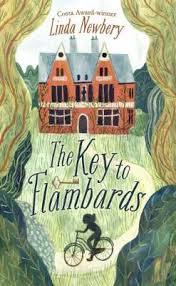
The Key to Flambards by Linda Newbery

Is anyone out there who remembers the ITV dramatisation of KM Peyton’s Flambards books? In Malaysia, the mini series was shown on RTM1 in the 70s and clashed with the weekly Chinese drama on RTM2. Therefore, I didn’t get to watch all episodes from start to finish. I had the books though and loved them. I still do and got this one, by Linda Newbery, because of the link to Peyton’s series.

In Key to Flambards, fourteen-year-old Grace Russell moves into the Victorian manor when her mother gets a contract to market Flambards as a creative arts retreat. They’re excited as they know that the place belonged to their ancestor Christina Russell.

It’s a clever and modern premise, a believable way to get the characters where the author (who knew Peyton personally) wanted them.

Read More »
Cloistered: My Years As a Nun by Catherine Coldstream

I’ve borrowed several books about the religious life from the library here (in Christchurch, New Zealand, where I am on a working holiday and writing retreat for three months). Those I love know my fascination with convents and monasteries; others might read more into my research. Well, more will be revealed in time.

Is there a memoir about being a nun in which the author remains a nun? The books I’ve read have all been (apart from Isabel Losada’s New Habits) from the POV of those who have decided that the monastic life is not for them. For Catherine Coldstream, she walks away but her beliefs and the ways of the Carmelite order at which she spent many years, remain, by her own admission, very much a part of her life. Her time at the monastery is obviously something she values and appears to miss and even yearn for still.

Read More »

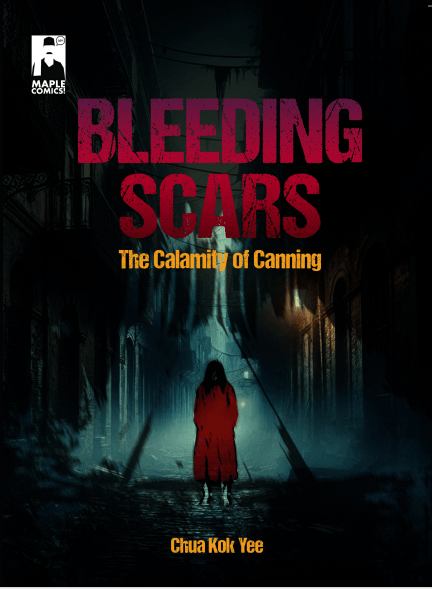
Bleeding Scars: The Calamity of Canning by Chua Kok Yee

Bleeding Scars: The Calamity of Canning [Maple Comics, 61 pages] by Chua Kok Yee takes readers to the suburbs of Ipoh, spinning a haunting tale rooted in local urban legend. At the heart of this graphic novella is the story of a chee cheong fan seller, Uncle Chin, on whose life and livelihood the events of the story converge, in darkness and tragedy.

Chua Kok Yee weaves a story that feels grounded in the familiar, both in the sense of its setting, and also the tropes and features commonly found in the scary stories Malaysians love to exchange during social gatherings. The black-and-white artwork adds a moody, almost cinematic layer to the narrative, while providing dramatic contrasts that stress and intensify the rawness of the characters’ experiences.

Read More »