After Life

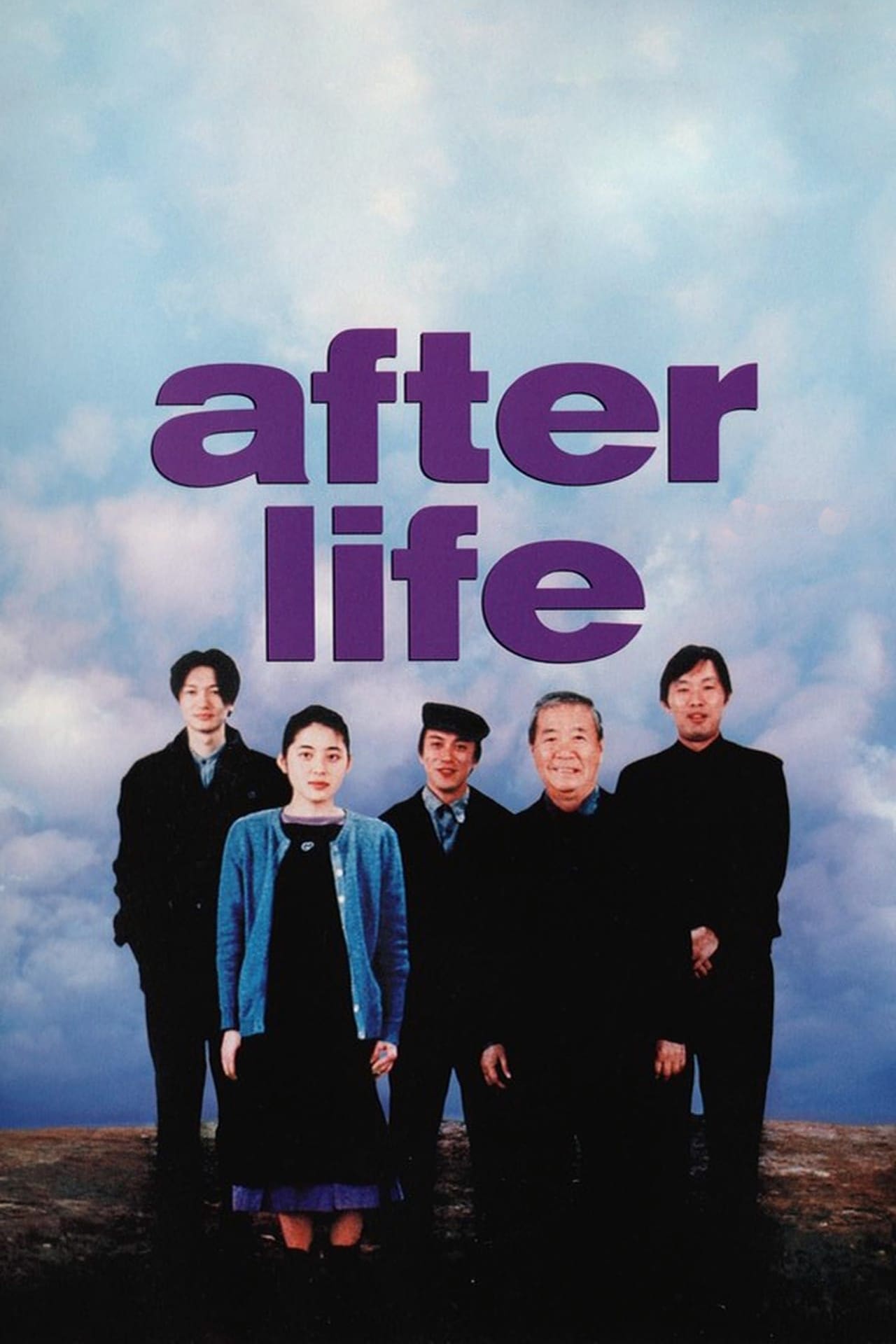
after-life-11Director: Koreeda Hirokazu

Released in 1999.

In this film, set in a station between life and the afterlife, the dead are given one memory to take with them, the only one they’ll be allowed for all eternity. Which one would you choose?

In the film, the dead are given two days to decide. The admin workers at the station interview the newly deceased about their life, and then design, stage and film the chosen memories. The films are viewed and the dead depart for the hereafter, each with their memory. Nothing else will be recalled.

Frankly, it sounds ghastly, although perhaps it won’t just be about the endless viewing of one short film clip, but more like a permanent feeling of bliss. I won’t reveal more because of spoilers, but I love how the film explores the different ways people come to terms with their lives and how death allows for perspective. There’s much to think about — and I’m sure the film will reveal something new each time it’s viewed (I’m definitely planning on re-watching it). By the way, this is the third film in which Soseki’s Japanese interpretation of ‘I love you’ is referenced, and it doesn’t ever get old, does it?
Still Walking

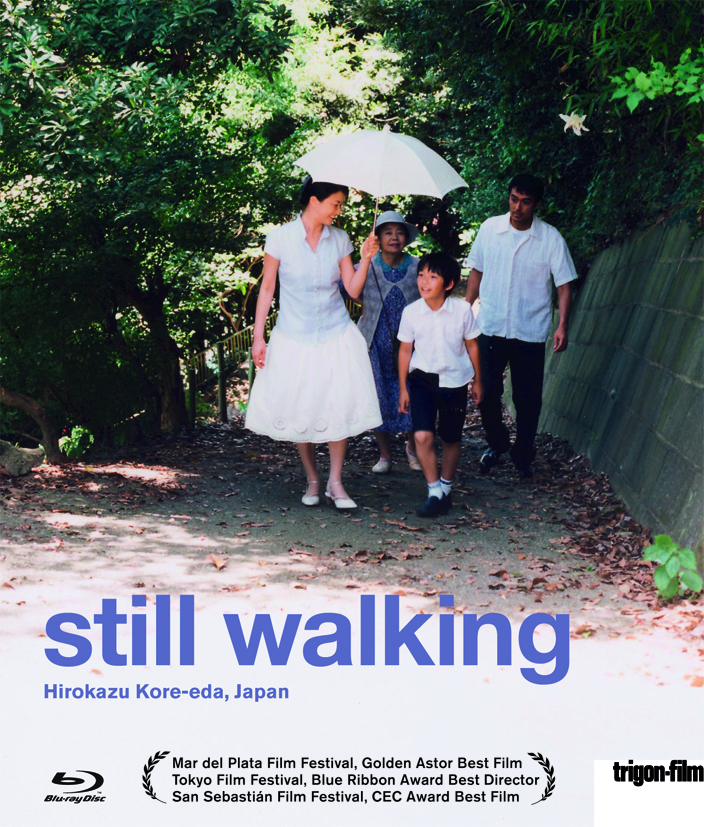
still walkingDirector: Koreeda Hirokazu

Released in 2008.

This film made me melancholy. Perhaps it’s a sign of me growing old(er). Just like how I sometimes get flashes of anxiety about illness and death. It was painful watching the bickering old husband and wife; the son dreading spending time with his aged parents; the old folk looking forward to seeing him again, not knowing that he and his wife are discussing making their next trip shorter. There’s much more to the story, but I just kept thinking about lonely old age and being forgotten.

(N.B. Abe Hiroshi who was terrible in The Garden of Evening Mists is rather good in this.)

Our Little Sister

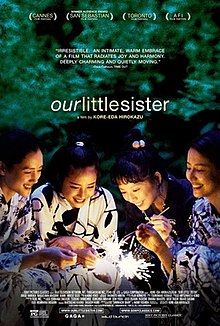
Our_Little_Sister_posterDirector: Koreeda Hirokazu

Released in 2015

As one of four sisters, I’ve always been drawn to stories about sisters. From Alcott’s Little Women and Chekhov’s Three Sisters to Woody Allen’s Hannah and Her Sisters and Diana Wynn Jones’s The Time of the Ghost, the relationship dynamics between sisters, and the studies of their various personalities are endlessly fascinating, to me.

In this film, when their estranged father dies, Sachi, Yoshino and Chika discover they have a young half-sister named Suzu. After meeting her at the funeral, the three women invite their new sister to live with them at their seaside home in Kamakura. I was half-expecting and dreading angst and sulking from 14-year-old Suzu, and plenty of hiccups as the sisters adjust to their new family member and Suzu gets used to unfamiliar surroundings, including a new school and friends. However, it’s a thankfully peaceful and smooth transition, with Suzu fitting well into her sisters’ lives and making friends easily. Any conflict and friction comes from the two older sister’s personal lives, as they struggle with romantic relationships and their own private demons. Suzu is, furthermore, forced to finally deal with her anger towards their mother, and this helps her empathise more with her sisters and to make an important choice about the future.