Three Books and Langsuyar Press
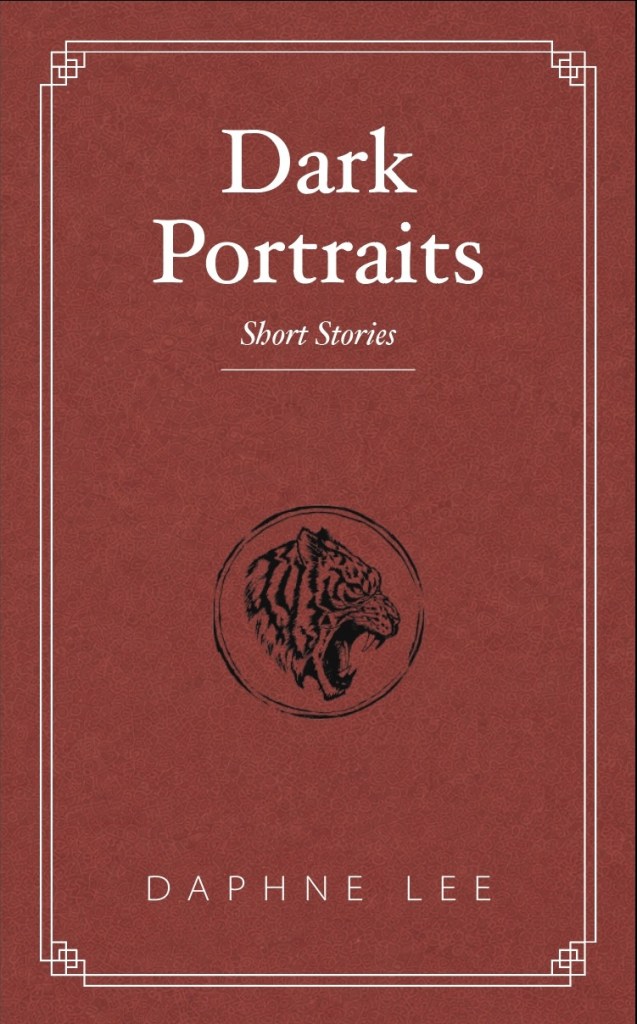
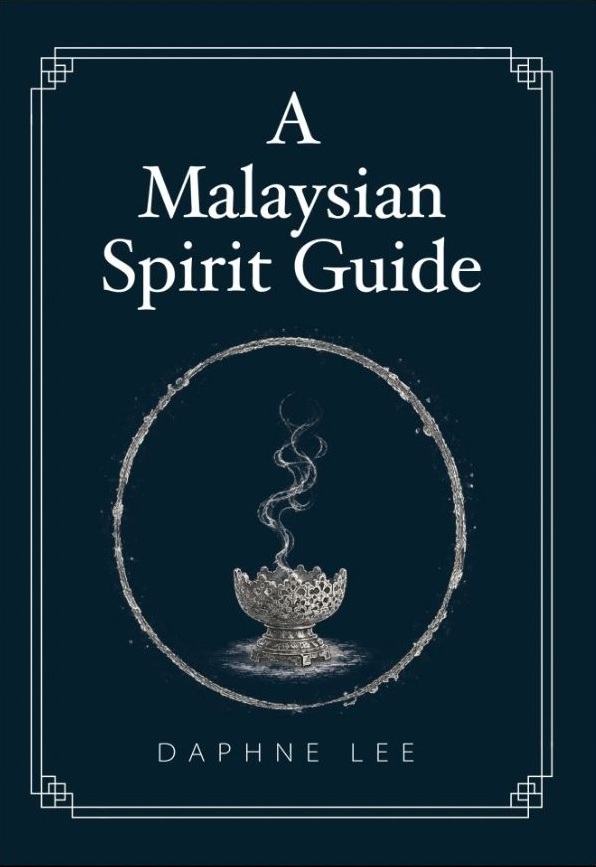
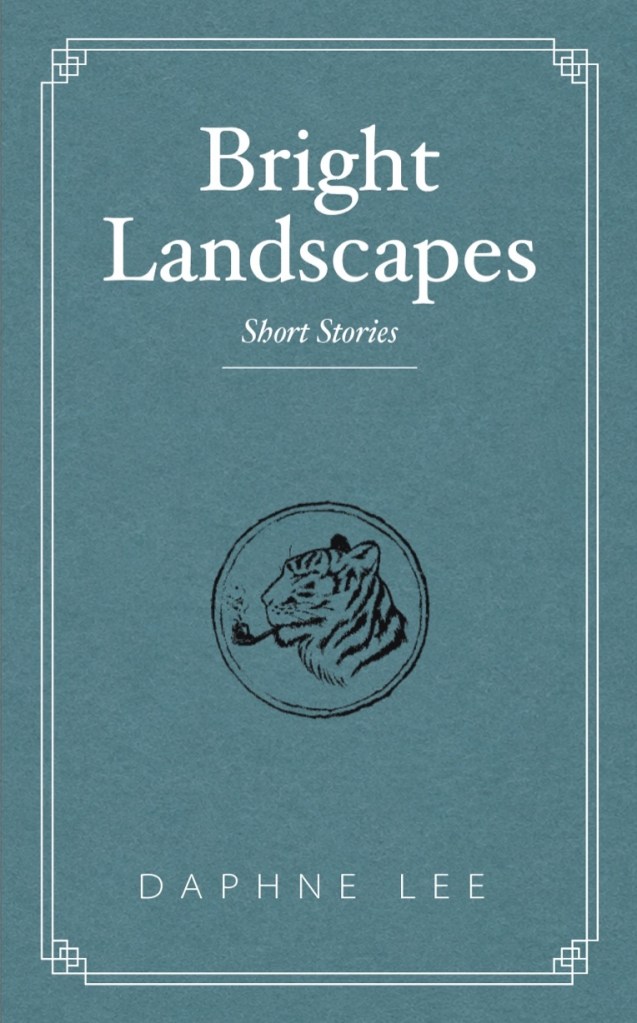
It’s November and I have published three books under a new publishing imprint, Langsuyar Press. The books are A Malaysian Spirit Guide, Dark Portraits: Short Stories, and Bright Landscapes: Short Stories. The imprint, Langsuyar Press is my own. I registered it in 2021, but have hesitated to use it to publish anything, until now.
Back then, I did not have the money or the time to become a publisher. I was also afraid of the criticism I might receive if I published my own work: I didn’t want Langsuyar to be called a vanity press.
I still don’t have money, but in December 2025, I lost my position at Scholastic Asia where, for sixteen years, I had been consulting editor. I must say it was terrifying to suddenly be without work and a regular paycheck. It was the first time since 1990 that I did not have a job and I had nightmares and sleepless nights for weeks following being informed that the company could no longer afford my modest salary.
However, I soon found out that it is true (for me anyway) that other doors opened after the big red one closed. Freelance work came at a steady rate and immediate danger was averted. I also found I had more time to write and decided to focus on and complete three manuscripts of the several that I had been working on for sometime.
Happily, I finished assembling the two short story collections and started looking around for publishers for both. Sadly, I either failed to find a house that was willing to take the books on, or I was faced with the reality of publishers that wouldn’t do much more than copyedit my work and whose book design ideas did not match mine.
Eventually, I decided that self-publishing might be the best option. What decided me was finishing the third book, A Malaysian Spirit Guide. I had many idea about what it would look like, from the different kinds of illustrations to the kind of paper that would be used. A couple of publishers I spoke to did not seem to understand why I wanted this or that, or why I had to be so specific. I was told that if I wanted the book to look a certain way, I would need to pay for it. So, I thought, if I were going to have to pay for illustrators and a designer and even an editor, perhaps I should publish it myself so that any profit would go back to me.
As I write this, about ten days have passed since the launch of A Malaysian Spirit Guide. As far as Malaysian publishing goes, for a book written in English, it has done quite well. I got about sixty pre-orders before the book was even printed, and Riwayat Bookstore, where I held my launch, was packed. My bank account looked most encouraging for a while, but the money soon disappeared as I paid the printer for a hundred copies each of the three titles; then fifty more copies of A Malaysian Spirit Guide; as well as merchandise like bookmarks, postcards and stickers.
As a first-time publisher, I also made lots of mistakes, some of them expensive ones. For example, twenty-seven copies of Spirit Guide had to be used as ARCs, more than I had intended, because of a printing issue that was entirely my fault.
Incidentally, I’d had intended to hire a professional book designer to do Spirit Guide’s interior, but my first choice was busy and the price quoted by another designer was just too much. Therefore, I did it myself. Now, I am not a book designer and this book was so fiddly to do, especially when it came to the spirit category symbols that had to be arranged in different combinations at the start of each of the sixty spirit entries. What really challenged me though was arranging the symbols in the chapter which explains the different categories. I nearly gave up several times, but in the end I made it work.
On the day of the launch, the book designer whom I’d wanted to hire and a Malaysian artist I admire greatly both said they liked the book’s layout and cover design. I nearly wept when I heard that, more so because I had struggled to complete it and did not dare imagine that I had done even a half decent job.
The experience has also made me look at publishing rather differently. When you are only the writer, there is a great deal you don’t have to think about. You hand over a manuscript and, with luck, somebody else worries about paper, fonts, printers, ISBNs, margins, distribution, publicity, invoices, damaged copies and why the colour on the cover has somehow come out looking completely different from the colour on your screen.
When you are the publisher, all those things become your problem.
I have also learnt very quickly that selling books and making money from books are two quite different things. Every time I begin to feel pleased about sales, there is another printing bill, another batch of bookmarks to order, another delivery to make, or another bookseller’s percentage to take into account. I am beginning to understand why publishers are always complaining about margins. I used to think they were exaggerating. I apologise to some of them.
More importantly, though, I think I have finally stopped being frightened of the words ‘self-published’. I was so worried about Langsuyar Press being dismissed as a vanity press that for five years I did nothing with it. Now I think that was rather silly. Whether a book is financed by its author or by a publisher is less important than how that money is spent, and whether the publisher’s priorities align with those of the author. For me, the way a book reads is just as important as the way it looks and feels. I want the writing to be carefully edited, the design to be thoughtfully considered, and the physical book to be produced with care. Every aspect deserves attention, and I want to be able to stand behind every book I publish, knowing that I have done my best to make it the book I imagined.
Of course, having complete control doesn’t mean having an unlimited budget. I still have to make compromises, deciding what I can afford, where I can save money and what is worth spending a little more on. But at least those decisions are mine to make. I can choose what matters most to me and put my resources into those things, rather than accept someone else’s idea of what is necessary or worth the expense. There is a certain satisfaction in that, even when it means doing more work myself than I had originally intended.
And Langsuyar Press will not stop with these three books. I want it eventually to publish work by other writers, as well as books from the past that I think deserve to be read again. I don’t know how large the press will become, and I am not particularly interested in making it large for the sake of it. I would rather publish a small number of books that I genuinely want to exist.
There is still a lot I don’t know. I am learning about distribution, accounts, print runs, consignment, publicity and the peculiar arithmetic by which a stack of books can disappear while one’s bank balance stubbornly refuses to increase. I expect there will be more mistakes, and some of them will probably cost me money.
Still, three books now exist that would otherwise have remained files on my computer.
For the moment, that seems like a pretty good reason to have started a publishing press.
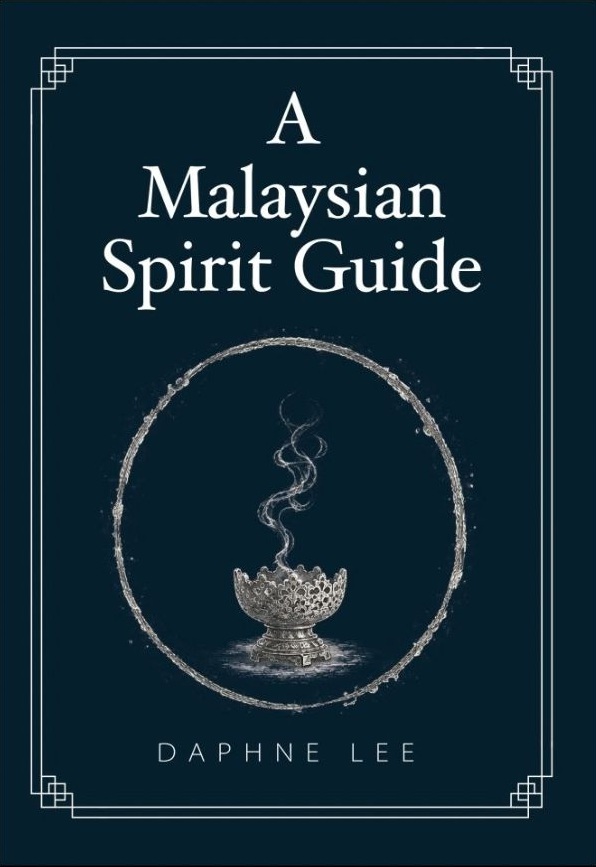
A Malaysian Spirit Guide
A compendium of some of the ghosts, spirits, sacred beings and supernatural creatures that have long inhabited the imaginations of Malaysians. Drawing on folklore, historical accounts, media representations and academic explorations of the supernatural beliefs of Malaysians
Drawing on folklore, historical accounts, media representations and academic explorations of the supernatural beliefs of Malaysians, it introduces sixty creatures ranging from familiar terrors such as the pontianak, the hantu raya and the toyol to ancestral guardians, nature spirits, deified humans, shamanic helpers and beings associated with particular indigenous communities.
Arranged as an accessible guide, each entry explores a spirit’s origins, appearance, behaviour and cultural significance, while tracing the ways in which older animist traditions have mingled with other cultural and religious beliefs. Together, these accounts reveal a supernatural landscape shaped by migration, faith, history, violence, memory and humanity’s uneasy relationship with the natural world.
More than a catalogue of things that haunt the night, A Malaysian Spirit Guide offers a portrait of Malaysia through the beings its people have feared, revered, appeased and lived alongside for centuries.
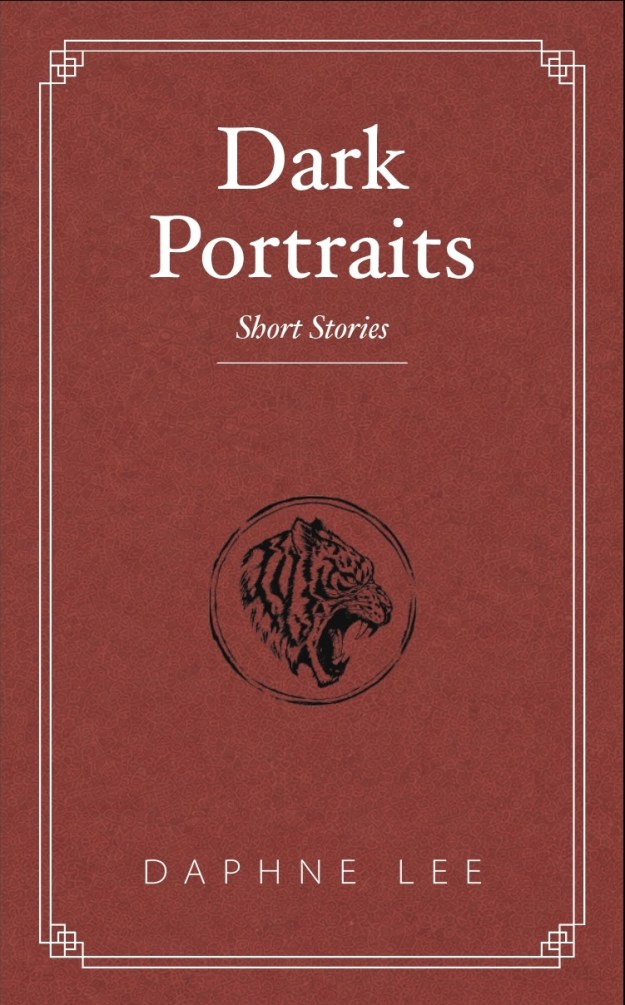
Dark Portraits: Short Stories
Do you believe in ghosts? Or do you think they are metaphors for human emotions like grief, guilt, shame, and others that we refuse to name? Some of these ten stories summon the familiar creatures of Malaysian folklore and ask what they reveal about the people who fear them, invoke them, or live alongside them. Others retell folktales and legends, finding in their old bones new ways to speak about desire, violence, and the burdens women carry. These are stories about family secrets and the weight of the unspoken, about what we inherit and what we refuse. The supernatural here is rarely the most frightening thing in the room.
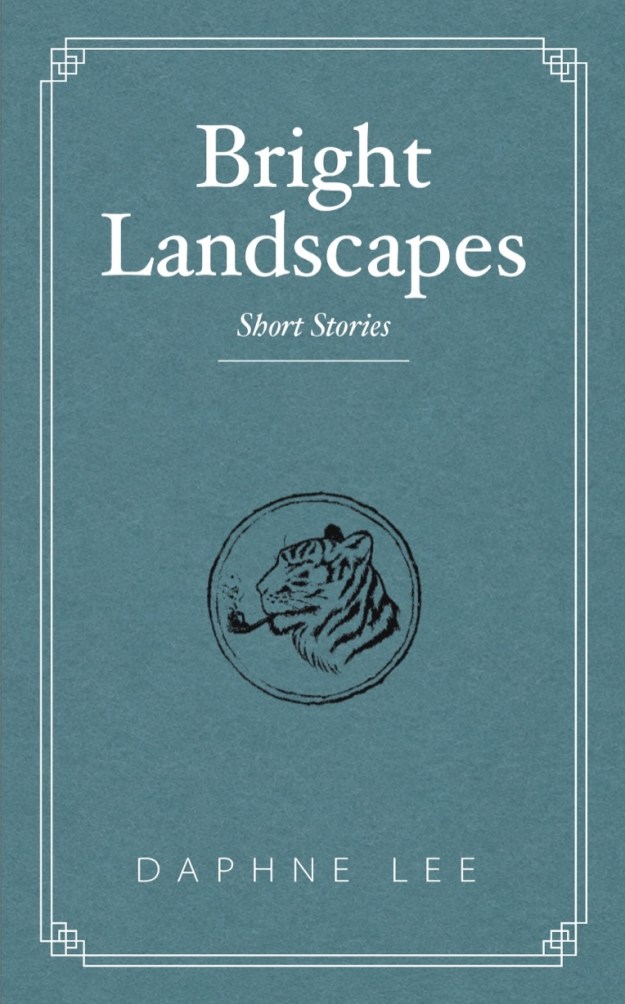
Bright Landscapes: Short Stories
Gods grow tired. Spirits have opinions. The creatures of myth and legend, it turns out, have their own needs, frustrations and longings—and in these ten stories, they are as recognisable as anyone you might know. Some of these stories are retellings of Asian myths and folktales; others grow from indigenous belief and local legend. All of them ask what happens when old stories are reimagined—and what becomes possible when the figures inside them are finally allowed to want something for themselves.
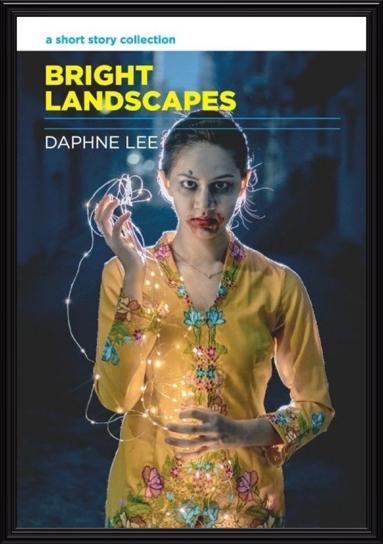
Bright Landscapes: A Short Story Collection (Laras99, 2019)
The above collections, Dark Landscapes and Bright Landscapes, contain re-edited stories from the first edition of Bright Landscapes that was published in 2019 by Laras99. Dark Portraits has five of the original stories, and Bright Landscapes (2026) has four. There is one story, ‘The Dead’, that didn’t make it into either collection, but is the seed of an idea that I hope will become a fantasy novel set in an imaginary world called Tasar Under Five Flags. Who knows, it may one day be Langsuyar Press’s first fantasy novel!
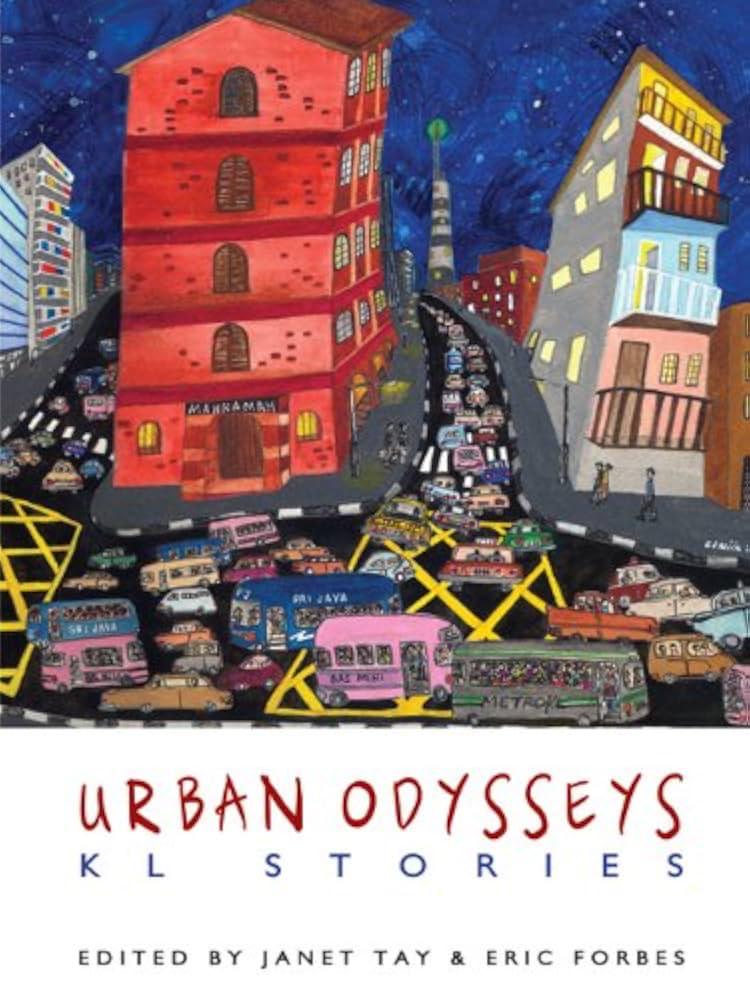
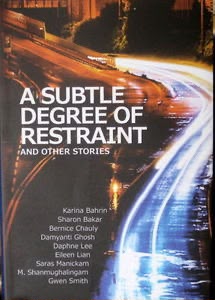


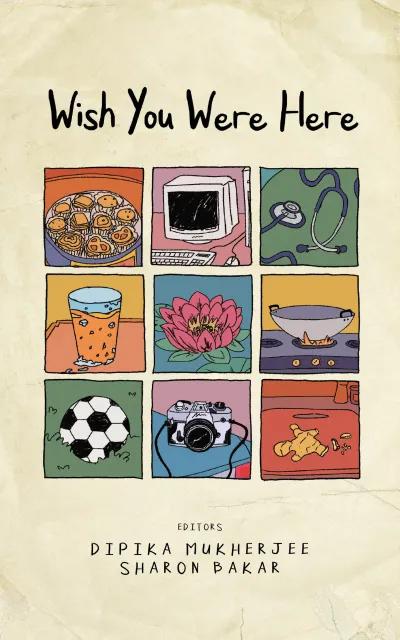
I have stories in these anthologies.
‘Reasons’ in Urban Odysseys: KL Stories (MPH Publishing, 2009)
‘Intermission’ in A Subtle Degree of Restraint (MPH Publishing, 2010)
‘After the Funeral’ in Black and Whites and Other Stories (CCC Press, 2011)
‘All Was Still’ in The Best of Malaysian Short Fiction in English 2010-2020 (Malaysian Writers Society, 2020)
‘The End of Suffering is a Blessing’ in Wish You Were Here (Sunway University Press, 2027)
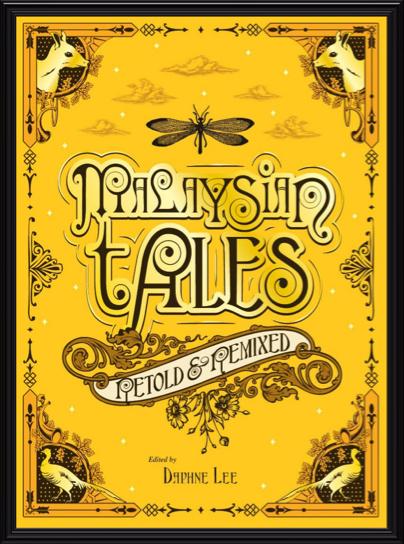
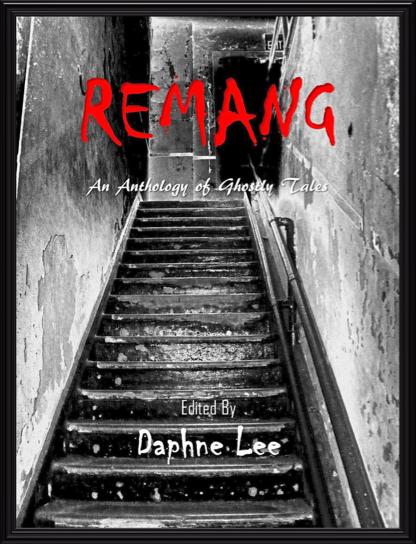
These are two collections I curated and edited. I don’t what I was thinking but for Malaysian Tales (2011), I invited various authors to contribute to the collection without having secured a publisher for the book. For Remang (2018), I called for submissions, also without first getting a publisher to back me. Luckily, I managed to persuade ZI Publications and Chua Kok Yee (Terer Books) to publish the books.

